Why Consistent Landscape Maintenance in Mendham NJ Prevents Costly Repairs
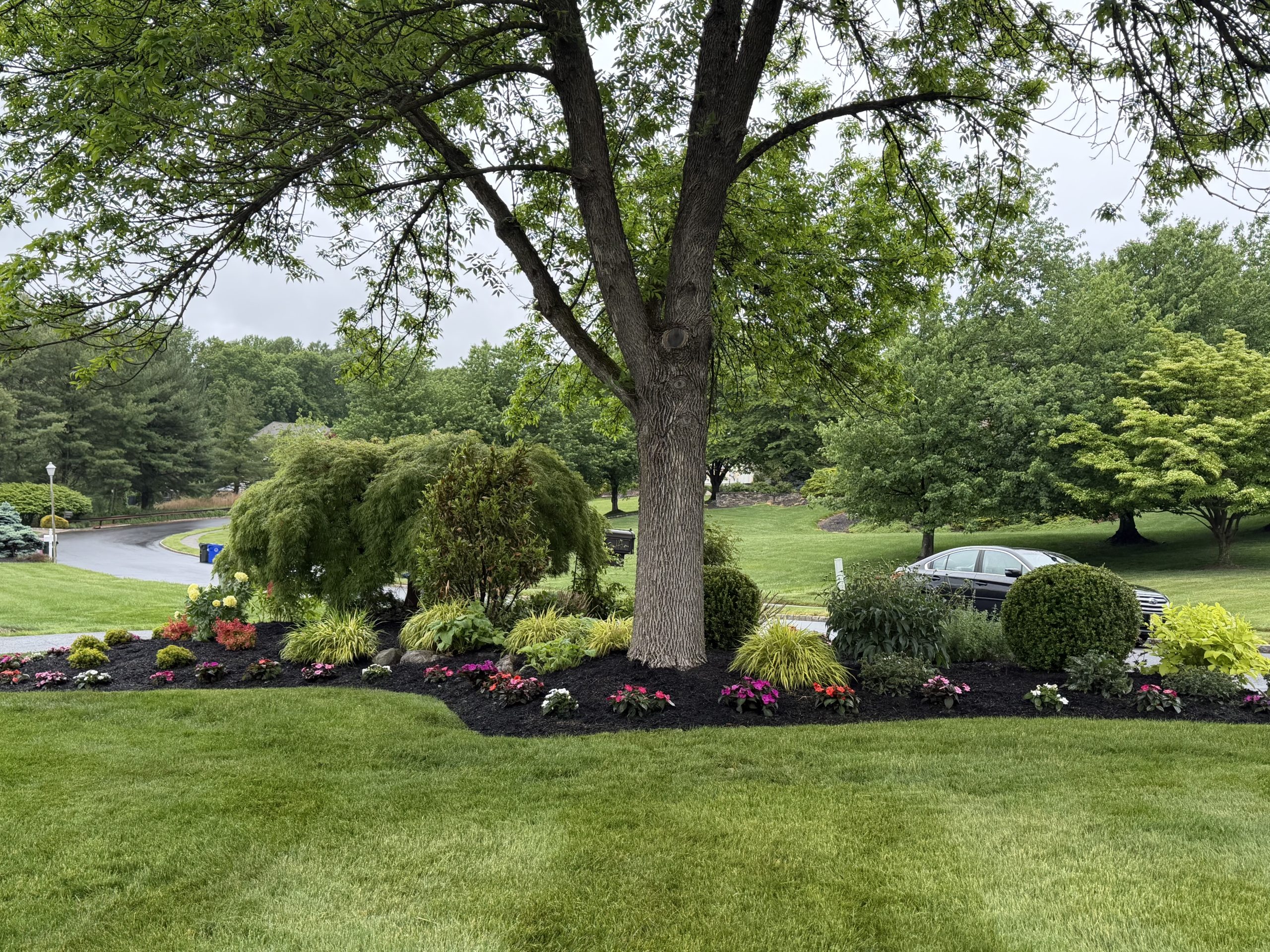

A well-kept landscape does more than frame a house nicely. In a place like Mendham, where mature trees, rolling lawns, stonework, drainage patterns, and four distinct seasons all shape a property’s performance, regular upkeep protects the investment underneath the beauty. Homeowners often think of landscaping as cosmetic until a retaining wall starts leaning, water pools near the foundation, a lawn thins out into mud, or overgrown roots begin lifting a walkway. By that point, the repair bill is no longer a seasonal maintenance issue. It becomes a capital expense.
That is the practical argument for consistent Landscape Maintenance Mendham NJ homeowners can rely on. Regular service is not about keeping things tidy for appearances alone. It is about catching small shifts before they turn into structural problems, preserving drainage, extending the life of hardscapes, and helping plant material stay healthy enough to resist pests, disease, and storm stress. Good maintenance is preventive care for the entire exterior environment.
In Mendham, that preventive value is especially clear because local properties tend to include features that can become expensive quickly. Long driveways, sloped lots, specimen trees, ornamental beds, bluestone patios, irrigation systems, and older homes with established root zones all require attention. Neglect in one area rarely stays isolated. A gutter outlet that dumps too much water onto a lawn can soften soil, undermine pavers, stress turf, and eventually create seepage near the basement. A shrub line that is not thinned and pruned properly can trap moisture against siding, reduce air circulation, and invite disease. The landscape operates as a system, and maintenance is what keeps that system balanced.
Mendham properties are beautiful, but they are not low-risk
Anyone who has worked on properties in Morris County knows that scenic landscapes come with maintenance demands. Mendham’s appeal is tied to large lots, established trees, and varied terrain. Those features create depth and character, but they also create pressure points.
A steep or irregular grade changes how water moves after a heavy rain. Mature trees shade turf and compete for moisture. Freeze-thaw cycles can shift edging, loosen stones, and expose roots. Deer pressure can weaken plantings over time, especially when stressed shrubs are already vulnerable. In late winter and early spring, compacted snow, road salt, and saturated ground leave damage that many homeowners do not notice until weeks later.
This is where routine Landscape Maintenance pays for itself. A crew or property manager who sees the site consistently is far more likely to spot subtle changes. Soil erosion near a downspout. A sprinkler head misfiring onto a walkway. Mulch piled too high against a tree flare. A low spot that holds water after every storm. None of these seem dramatic on day one. Leave them through a full season, and they often become the reason a landscape renovation suddenly moves from optional to urgent.
Water is usually the most expensive problem on the property
When clients ask what causes the biggest repair bills outdoors, the answer is almost always water. Not dramatic flooding in every case, but unmanaged, repeated moisture in places it does not belong. Water weakens base materials under patios and paths. It washes out soil around root systems. It saturates planting beds and encourages fungal disease. It finds seams in masonry. It undermines retaining walls. It can even affect indoor air quality if persistent exterior drainage issues contribute to basement dampness.
Consistent maintenance addresses water in practical ways. It keeps gutters and discharge points from overwhelming one area of the yard. It preserves clean bed edges and surface grades so water sheds properly. It ensures drains stay open instead of disappearing under debris and overgrowth. It catches compacted soil before runoff becomes chronic. It keeps turf dense enough to slow erosion and absorb rainfall more effectively.
One spring inspection can prevent a long chain of damage. I have seen a simple issue, such as a buried pop-up emitter that stopped releasing water properly, create a saturated patch near a bluestone walk. The stones began rocking by midsummer. By fall, the base had washed unevenly enough that several sections needed to be lifted and reset. The actual fix was not catastrophic, but it was much more expensive than the maintenance visit that would have identified the drainage problem early.
On larger Mendham properties, the stakes rise because the distances are longer and the grade changes are more dramatic. A small runoff issue near the top of a lawn can carve channels by the bottom of the slope after repeated storms. Once topsoil is lost, restoration often involves regrading, soil amendment, seed or sod, and in some cases drainage installation. Preventive care costs far less than rebuilding a failed area.
Lawns tell you when the landscape system is slipping
People often treat lawn care as separate from the rest of the property, but turf is usually the first visible sign that something else is wrong. Thin grass, persistent wet spots, patchy growth, and recurring weed pressure often point to deeper problems such as compaction, poor irrigation coverage, shade stress, or runoff.
A healthy lawn does not happen from mowing alone. Height matters. Timing matters. Sharp mower blades matter. So does understanding when not to cut aggressively during summer stress. In Mendham, cool-season turf can look strong in spring and fall while quietly weakening during heat and humidity. If maintenance is inconsistent, homeowners may overwater to compensate for browning, which can make disease pressure worse and soften the soil near hardscapes.
Regular observation makes it possible to distinguish cosmetic issues from structural ones. If a section of lawn near a patio stays greener than the rest during a rainy period, that might not be a sign of vitality. It may indicate excess moisture from poor drainage or a leaking irrigation line. If grass repeatedly fails along a fence line, shade and root competition may require a different planting approach rather than repeated reseeding. Good maintenance is not just repetitive labor. It is diagnosis.
That diagnostic role matters because lawns frequently border expensive built features. Once turf erosion exposes the edge restraint of a walkway or leaves soil washing across pavers, the repair expands. What begins as a tired lawn can become a hardscape issue.
Trees and shrubs can either protect the property or quietly damage it
Mature trees are one of the strongest assets on a Mendham property. They provide scale, privacy, seasonal beauty, and real value. They can also become one of the costliest liabilities when neglected. This is not an argument for aggressive pruning or unnecessary removals. It is an argument for informed, consistent care.
Tree canopies that are never evaluated may develop deadwood, weak branch unions, or overextended limbs that become hazardous during storms or heavy snow. Root zones that are compacted repeatedly by foot traffic or equipment can decline slowly over years. Mulch volcanoes, a common mistake on otherwise attractive properties, hold moisture against trunks and can contribute to bark decay and girdling roots. None of those problems announce themselves early with much drama. Then a major limb fails over a driveway, or a declining tree begins affecting nearby plantings and pavement.
Shrubs create their own repair risks when maintenance is too sparse or too harsh. Overgrown shrubs against a home hold moisture and reduce airflow. Repeated shearing without proper thinning can produce dense outer growth with weak interior structure, making plants more disease-prone and harder to restore. Root systems can also outgrow their intended spaces and crowd utilities, walks, or foundation plantings.
A thoughtful maintenance program includes selective pruning at the right time of year, not just routine cutting for shape. It includes monitoring for signs of stress, checking clearances https://hectorpbko651.hexaforgey.com/posts/best-practices-for-landscape-maintenance-in-mendham-nj around structures, and adjusting care based on weather patterns. During wet years, fungal issues may require a different response than in dry summers, when irrigation strategy and mulching become more important. Consistency gives the property a rhythm of care, and that rhythm is what prevents delayed, expensive interventions.
Hardscapes last longer when the living parts around them are managed
Patios, retaining walls, front walks, and stone steps are often viewed as permanent improvements. In reality, they are durable but not self-sustaining. Their lifespan depends heavily on the condition of the soil, drainage, and plant growth around them.
A beautiful bluestone patio can start failing because nearby bed irrigation oversprays the joints every day. A retaining wall can move because roots from unmanaged plantings push behind it while runoff softens the backfill. Stone steps can become hazardous when moss builds in shaded, damp conditions and no one addresses it until slipping becomes a safety issue. Even decorative edging can heave and separate after repeated freeze-thaw cycles if adjacent areas are not maintained to prevent washout and root intrusion.
This is why experienced providers of Landscape Maintenance Mendham NJ services pay attention to details that seem unrelated on paper. They notice where water sits after irrigation. They monitor whether mulch is spilling onto stone joints. They trim back encroaching groundcovers before they hold too much moisture against masonry. They reset small shifts early, when corrections are simple.
There is a large cost difference between touch-up and reconstruction. Replacing polymeric sand, cleaning drainage channels, adjusting grades around a patio edge, and pruning surrounding material are modest maintenance tasks. Rebuilding a settled walkway or repairing a compromised retaining wall is an entirely different budget category.
Seasonal timing matters more in New Jersey than many owners realize
One of the most common reasons repairs become costly is that property owners do the right work at the wrong time, or wait too long between visits. New Jersey landscapes are not static. They transition quickly, and each season sets up the next.
Spring is often when hidden winter damage appears. Saturated soils, snow mold, salt burn, frost heave, and broken branches need early attention before active growth accelerates problems. Summer puts irrigation performance, mowing discipline, and disease management to the test. Fall is the window for cleanup, turf recovery, pruning decisions, and preparing drainage routes before leaves and winter storms complicate everything. Winter itself may seem quiet, but snow placement, deicing practices, and storm damage response have direct consequences for spring repairs.
A property maintained only in bursts tends to miss these windows. By contrast, consistent maintenance creates continuity. The team that handled fall cleanup knows where leaf buildup clogs drainage every year. The crew that monitored summer dry spots knows which zones to watch when spring rains saturate the same areas. That familiarity reduces surprises.
There is also a budgeting advantage. Predictable maintenance spreads costs over time and reduces emergency calls. Emergency work tends to happen under pressure, often when multiple issues have compounded. A homeowner who spends steadily on routine care often avoids the sharp spikes that come with sudden drainage corrections, large-scale replanting, or hardscape stabilization.
Irrigation is either preserving the landscape or undermining it
Irrigation systems are helpful, but they are also one of the easiest ways to cause expensive damage quietly. A zone that runs too long can saturate soil around foundations, soften paver bases, and encourage shallow rooting in turf. A broken head can wash out mulch and create erosion in a matter of days. A misaligned spray can stain masonry, create slippery algae on walks, and waste significant water.
Regular landscape maintenance should include observation of irrigation performance, even if a separate specialist handles seasonal start-up and winterization. The people on site week after week are often the first to notice whether a section is too wet, too dry, or receiving uneven coverage. They can also identify when plant material has grown enough to block sprays, causing one area to flood while another declines.
I have seen properties where the irrigation system was technically functioning, but the landscape had changed enough over several years that coverage no longer matched real needs. Tree canopies matured, shade increased, and beds expanded. The result was overwatering in some spots and stress in others. Owners blamed the lawn, the weather, even the fertilizer program, when the underlying issue was simply that no one had adjusted the system to current conditions.
That is the value of consistent oversight. Good maintenance is not a series of isolated services. It is an ongoing interpretation of how the site is behaving.
Small aesthetic tasks often prevent larger structural bills
There is a tendency to divide tasks into important and cosmetic. In practice, that line is not so clear. Edging beds, thinning perennials, clearing debris, refreshing mulch properly, and pruning for air circulation may look like appearance-driven services, but they often have a preventive function.
Clean bed edges help direct water and keep turf from invading planting areas. Debris removal reduces moisture retention and pest harborage. Proper mulch depth moderates soil temperatures and moisture, but excessive mulch can smother roots and trap water against trunks. Perennial division prevents overcrowding that invites disease. Selective pruning keeps plants from rubbing on siding, blocking light, or leaning into paths.
These are not glamorous tasks, but they are the kind that save money over time. Homeowners often notice the visible improvement first. What they do not always see is the deferred damage that did not happen because the site stayed open, dry, and balanced.
What consistent maintenance usually catches before it becomes expensive
Routine property visits are effective because recurring eyes on the landscape notice change. That can include issues like these:
- Minor drainage failures before they undermine patios, walks, or foundation areas.
- Early plant stress before shrubs or trees need full replacement.
- Irrigation misfires before they cause erosion, staining, or oversaturated soil.
- Surface movement in stonework before reset work becomes reconstruction.
- Pest or disease pressure before it spreads across a bed or lawn section.
Any one of those can turn into a repair bill measured in the thousands rather than the hundreds. On larger properties, the difference can be much greater, particularly when heavy equipment, masonry work, or mature plant replacement enters the picture.
The cost of neglect is rarely a single invoice
Most expensive outdoor repairs do not result from one dramatic failure. They come from multiple smaller misses layered over time. A little erosion, a little deferred pruning, a little irrigation waste, a little compaction, and one rough winter can suddenly produce a property that needs broad corrective work.
That cumulative effect is what makes maintenance so valuable. It interrupts the chain early. It corrects conditions when access is easy, weather is cooperative, and the surrounding materials are still intact. Once failure spreads, every fix becomes more involved because neighboring systems are affected.
For example, a neglected planting bed may seem like a simple cleanup project at first glance. But if that neglect allowed invasive roots, clogged drainage, buried edging, and moisture retention against the base of a stone wall, the work may now involve excavation, drainage restoration, masonry inspection, soil replacement, and replanting. The original issue was not just untidiness. It was deferred stewardship.
Choosing a maintenance approach that actually prevents repairs
Not every maintenance plan delivers the same value. A mow-and-blow routine keeps a property superficially neat, but it does not necessarily prevent costly failures. Preventive maintenance requires attentiveness, skill, and some site-specific judgment.
A useful program usually includes regular site review, not just task completion. It should account for drainage behavior, plant health, irrigation impact, turf condition, hardscape edges, seasonal timing, and property use patterns. A family with children and pets will stress lawn areas differently from a weekend residence with light traffic. A shaded estate lot will require different decisions than an open, sunny property. Mendham’s landscapes are varied enough that generic service often misses the real risks.
Homeowners should also expect communication, especially when a maintenance provider sees developing issues. The purpose is not to upsell every minor imperfection. It is to explain where a modest adjustment now can avoid a major expense later. Sometimes that means recommending aeration and topdressing instead of another round of seed. Sometimes it means reducing irrigation in one area and improving drainage in another. Sometimes it means accepting that a struggling plant is wrong for the site and replacing it before it damages nearby features or invites ongoing treatment costs.
The most effective Landscape Maintenance Mendham NJ work tends to come from teams that understand this distinction. They are not simply preserving a polished look. They are managing the long-term health and function of the property.
A well-maintained landscape protects more than curb appeal
There is nothing wrong with wanting a property to look sharp. In a town like Mendham, presentation matters, and a clean, healthy landscape adds real enjoyment to daily life. But the deeper value of consistent maintenance is protection. It protects drainage patterns, hardscape longevity, plant health, safety, and the performance of the property as a whole.
That protection is rarely dramatic in the moment. It shows up quietly, in the patio that stays level, the lawn that recovers well each season, the foundation area that stays dry, the mature tree that remains strong through storms, and the planting beds that continue to perform without frequent replacement. It also shows up in the bills that never arrive.
When homeowners treat landscape care as preventive maintenance rather than occasional cleanup, they usually spend less over the life of the property. They also avoid the disruption that comes with emergency repairs, rushed contractor schedules, and preventable failures. For Mendham properties, where landscapes are often complex and valuable, that approach is not just sensible. It is one of the smartest ways to protect the home from the outside in.
Majestic Mowing & Landscaping LLC
Phone number: +19733975532
FAQ About Landscape Maintenance Mendham NJ
What is meant by landscape maintenance?
Landscape maintenance means the ongoing care, upkeep, and management of outdoor spaces like lawns, gardens, and parks to keep them healthy, clean, safe, and attractive. It involves regular tasks such as mowing grass, trimming plants, and managing water systems.
Is $100 an hour too much for landscape work?
Yes, $100 an hour is on the high end for basic landscaping, but it can be fair depending on crew size, equipment, and tasks. Standard rates usually fall between $25 and $75 per hour, while professional companies often bill $75 to $150+ per hour for multi-person crews or specialized labor.
What does landscape maintenance consist of?
Landscape maintenance consists of regular outdoor property upkeep focused on keeping yards healthy and clean, primarily through routine lawn mowing, plant bed weeding, and shrub trimming.